GM Thoughts: Useless Lore and World-Building
Your lore only matters when it's relevant to the characters, so don't waste your time on lore that doesn't matter

I’ve created a lot of worlds, mostly for games that never happened.
I can tell you about the Great Star, and how Chaos shattered it into five pieces that shaped the divisions of the world. I can recount the rise and fall of the Elvish Isles, how the overthrow of the Drow’s pyramid empire forced them underground, and which Titans the Gnomes worshipped before they went extinct.
In every case, I made the same classic mistake: I started at the beginning of everything: creation myths, ancient wars and lost ages. All of the stuff someone who enjoys epic fantasy loves to create.
Unfortunately, that approach has two big problems:
Generally, players don’t want to read the history of the campaign world. They want to play in the world.
Digging too deep into the lore means they’ll never get to play, because the lore is never actually finished.
For my current campaign, I went the opposite direction and started with play.

My son really wanted his Foxfolk explorer to carry guns (he’s seven). So I came up with simple explanation: an ancient civilization created magical artifacts that bordered on sci-fi technology. Who were they? I don’t know. I don’t care, because my players don’t care.
What they care about is that these artifacts exist, and they can find them by exploring dungeons. Right now, knowing the ancient civilization’s identity, philosophy or downfall won’t change a single choice they can make. If they ever decide they want to find out, I’ll figure it out then.
The same idea applies to the world itself. The characters know the town of Wayfare, where they started out. They’re learning about the dungeon Erebos because they’re exploring it. Beyond that, their knowledge is shallow. They’ve heard there’s a Dwarven kingdom to the north and a Human kingdom to the west. Beyond the Human kingdom coast lies a large island inhabited by Oni, but they only know that because they’ve met a few Oni in taverns and guild halls.
Isn’t that how the real world works? We know the most about the things that affect our daily lives. The farther away something is (in distance or time), the less clear it is to us. Go back far enough and even experts are trying to piece together fragments and arguing over interpretations.
Why Am I Talking About This?
I’m thinking about this right while fleshing out Mythaven as the first campaign setting for my upcoming RPG system. A system needs a setting, and this way my setting work doubles as campaign prep.
Following an excellent post by Castle Grief, I’m putting limits on myself by defining what details I will and won’t develop. To help me with this, I’ve broken the world’s history into four broad ages.
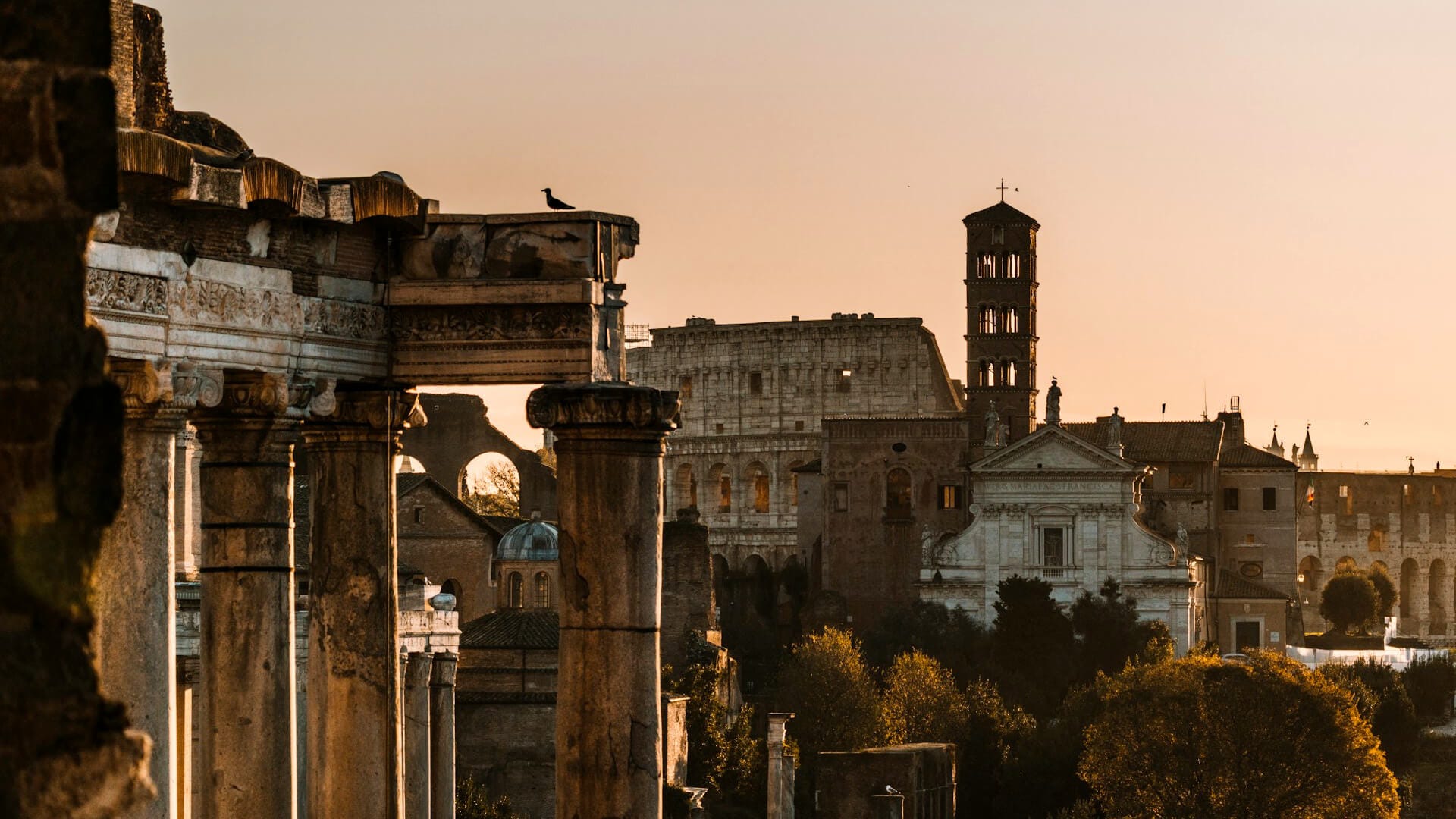
The Ages of Mythaven
1. The Current Age
This is where the game lives.
The book will focus on how the world is now: common knowledge, everyday dangers and opportunities for adventure. Big subjects such as national politics will be covered in broad strokes, matching what a typical character might reasonably know.
I’ll only dive deeper when it directly feeds an adventure hook or meaningful choice. Some things will be left intentionally vague so GMs and players can shape them through play.
Cultures will have creation myths and long histories, but I’ll touch on those only when they explain current beliefs or behaviors.
2. The Age of Serpents
This was the age when the Serpentfolk ruled the world.
Their rise and fall is a defining event in Mythaven’s history, so it’s still widely remembered, but imperfectly. Some facts are known, while others are distorted or mythologized.
In the Current Age, the Serpentfolk are a lingering shadow. They are the source of secret cults, political upheaval and horror-themed adventure.
3. The Ancient Age
This is where I start not filling in details. Common knowledge is that an ancient civilization existed, and they left behind strange ruins and powerful relics. That’s it.
I won’t define who they were or why they vanished. Partly because I don’t want to get lost in details, partly because the mystery is more interesting than any answer I can give. Plus it leaves a nice hook for a GM to flesh out on their own if they like.
What matters is the technology they left behind and the dungeons growing around their ruins. Controlling those drives wealth and conflict in the Current Age.
4. The Prehistoric Age
There are only hints of the time before the Ancients: megaliths with unreadable glyphs, ancient tombs and places of raw power.
This age is meant to show the world is old and unknowable, so its influence on the present will be subtle. Primal magic, sacred sites and the occasional last-of-its-kind type creature to shake things up a bit.
Example: The Ages at Work in Erebos
I’m currently building out the Erebos dungeon using the four ages as a guide.
The Current Age
Common knowledge is that Erebos is a dungeon shrouded in perpetual darkness and crawling with the undead. The Howling Kingdom considers it a wound in the boundary between the living world and the spirit world. It is too dangerous for them to ignore, but too powerful to conquer alone.
Because of this, Erebos is one of the few places in their territory where outsiders are not just tolerated, but welcomed. Many of the Kingdom’s alliances and connections to adventurers began here.
The Age of Serpents
Long ago, Erebos was the site of Caer Lleon, an Elven kingdom. It never fell to the Serpentfolk, but instead destroyed itself through infighting and civil war.
The spirits haunting the surrounding lands reenact fragments of those ancient battles. Some may mistake the characters for enemies, while others for allies. While their knowledge is outdated and biased, they can still provide valuable clues about the dungeon’s layout, secrets and dangers.
The Ancient Age
The lower levels of Erebos are the remains of an Ancient facility built to study the boundary between life and death. This shapes the nature of the relics found there and explains why the undead presence is so strong. Characters may even discover a portal to the astral plane if they descend low enough.
The Prehistoric Age
Beneath the ancient facility lies the grave of a dead god. Treasures here are funerary objects, and the denizens exist to guard both the relics and the corpse itself. I won’t define who this god was or who worshipped it, but its presence is the reason the ancients chose this place for their studies.
Closing Thoughts
The short version of this is I’m saving my worldbuilding efforts for what actually matters at the table. I won’t be answering every question, or even most of them. By building outward from what characters know, I’m hoping to make it easy for GMs to run the game, while leaving gaps that they can fill in with their own ideas.
Most importantly, I’m hoping to actually complete the project.
Other Thoughts
The Castle Grief post I mentioned was the first in a series about creating a hexcrawl. The idea of deciding what I won’t do being as important as what I will do stuck with me.
In Microscope, creating lore is the game. I’ve heard that some groups play a few sessions to create the settings they use for more traditional games. You can download it from Itch.io or get a print copy from Amazon (not affiliate links).
Judd Karlman discusses making lore matter to your players:
Matt Colville argues that world-building is something most GMs do for themselves, not for their players:
The last time I talked about lore, I focused on building the lore into character creation:
Using Character Creation to Teach Setting
·
While getting ready to run a fantasy campaign with Index Card RPG I realized a lot of setting lore is built into character creation. If you play a Dwarf in ICRPG’s Alfheim, you won’t read about general Dwarven traits. Instead, you’ll learn how their homeland Iradrum was destroyed by the ancient dragon Durathrax and the survivors have gathered in Duradin…


Please don't consider this a negative feedback but rather the starting point of a possible discussion. I think lore should operate the other way round: if you use it as a 'filler' just to answer to the current questions of the players you might reach the point where a question might bring to an answer that goes against the others since you don't know all the future needs/requests of the players.
On the contrary I believe that lore should be the backbone of the setting and for this reason it'd be thought (at least) beforehand. Without a clear idea of a consistent lore, then you could reach to some point where you might have no plausible explanations to players questions.
Then if you want to only think about lore as a whole rather than write it fully down, that's another point! What is important to my eyes is that lore should embed the message/purpose of your game otherwise the remaining part of the setting might leas to nowhere... and a game with no purpose is really dangerous (in case you wonder why, I have a post for that explanation).
Thanks in advance for your thoughtful post and looking forward to reading you!